Key takeaway:
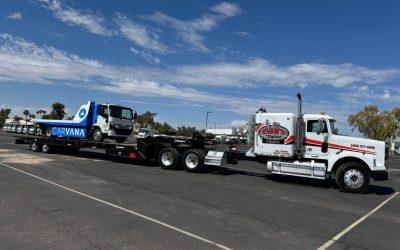
• Heavy-duty towing covers vehicles and equipment over 26,000 pounds, including semi-trucks, buses, and construction machinery.
• Choosing a provider depends on equipment capacity, response time, licensing, and experience with large commercial vehicles.
• Verifying insurance, certifications, and service area coverage helps avoid delays and liability issues during a breakdown.
Choosing the right heavy-duty towing provider comes down to matching equipment capacity, licensing, and response speed to the size and type of vehicle that needs recovery. A rushed decision during a roadside emergency can lead to longer wait times, equipment mismatches, or unnecessary damage to a commercial vehicle.
Large trucks, buses, and heavy equipment require specialized rigs and trained operators, which is why Heavy Duty Towing Indianapolis IN differs significantly from standard passenger vehicle towing. Operators working with vehicles over 10,001 pounds generally fall under federal oversight, since the Federal Motor Carrier Safety Administration classifies most tow trucks as commercial motor vehicles once they cross that weight threshold. Understanding this distinction helps vehicle owners and fleet managers ask the right questions before selecting a provider.
Equipment and Capacity Requirements
Heavy-duty recovery depends on rigs built specifically for oversized loads, not standard flatbeds or wheel-lift trucks. Before contacting a towing company, it helps to confirm the following:
• The rig’s rated towing capacity matches or exceeds the vehicle’s gross weight.
• The provider uses rotator trucks or heavy wreckers suited for rollovers or off-road recovery.
• Winch systems, outriggers, and wire rope are inspected regularly for wear.
According to one industry safety reference, heavy-duty towing rigs are typically Class 7 and Class 8 vehicles designed for semi-trucks, buses, and industrial equipment. A Class 8 recovery rig handling a semi-truck rollover often requires a longer inspection cycle before the job even begins, since federal standards flag wire rope as unserviceable when 10 or more randomly distributed broken wires appear in one rope lay. Mismatched equipment is one of the most common reasons recovery jobs take longer than expected.
Licensing, Insurance, and Safety Compliance
Heavy-duty towing operations are subject to stricter oversight than light-duty towing because of the vehicle weights and road risks involved. Reviewing a company’s compliance history offers a practical way to judge reliability.
• Confirm the provider holds a USDOT number if operations cross state lines.
• Ask whether drivers hold the appropriate commercial license for the combined vehicle weight.
• Check that the company carries commercial insurance covering cargo and liability.
Federal rules reinforce why this matters. The Occupational Safety and Health Administration’s Standard 1926.251 outlines rigging equipment requirements, including inspection before each shift and removal of defective gear from service. Providers that follow these standards are generally better equipped to handle complex recoveries without added risk to drivers or property.
Response Time and Service Area Coverage
A heavy-duty breakdown rarely happens at a convenient time or location, so dispatch speed and coverage area matter as much as equipment. Questions worth asking include:
• Does the company operate 24 hours a day, including weekends and holidays?
• How far does the service area extend beyond the immediate city limits?
• Can dispatch confirm an estimated arrival window before sending a truck?
| Factor | Why It Matters |
| 24/7 Availability | Breakdowns are unpredictable and often occur overnight |
| Service Radius | Wider coverage reduces wait times for rural or highway calls |
| Equipment Variety | Different vehicles need different rigs (flatbed, wheel-lift, rotator) |
| Dispatch Communication | Clear updates reduce uncertainty during long waits |
Experience With Commercial and Specialty Vehicles
Heavy-duty towing often involves more than semi-trucks. Buses, RVs, box trucks, and construction equipment each present unique handling challenges that require operators familiar with varied load types and securement methods. A provider with a documented history across multiple vehicle categories is generally better prepared for unexpected complications, such as a locked axle or uneven road grade during recovery.
Frequently Asked Questions
What qualifies as heavy-duty towing? Heavy-duty towing generally applies to vehicles and equipment exceeding 26,000 pounds, including semi-trucks, buses, and industrial machinery that require specialized rigs beyond standard tow trucks.
Is heavy-duty towing regulated differently than standard towing? Yes. Vehicles over 10,001 pounds generally fall under federal motor carrier rules, which address equipment standards, inspections, and driver qualifications that do not apply the same way to lighter vehicles.
How quickly should a heavy-duty tow truck arrive? Response times vary by location and traffic conditions, so it is best to confirm an estimated arrival window directly with the dispatcher at the time of the call.
What should I check before hiring a heavy-duty towing company? Confirm the provider’s equipment matches the vehicle’s weight class, verify insurance and licensing, and ask about service area coverage and availability.
Next Steps for Reliable Heavy-Duty Recovery
Indianapolis drivers and fleet operators dealing with a disabled commercial vehicle benefit from working with a towing provider that understands both the equipment demands and regulatory requirements of large-vehicle recovery. JR’s Services And Recovery LLC is a locally operated towing and roadside assistance company serving light-duty, heavy-duty, and specialty vehicle recovery needs in the Indianapolis area. Vehicle owners and fleet managers who want more detail on large-vehicle recovery options can Read More about the process, equipment, and coverage involved.