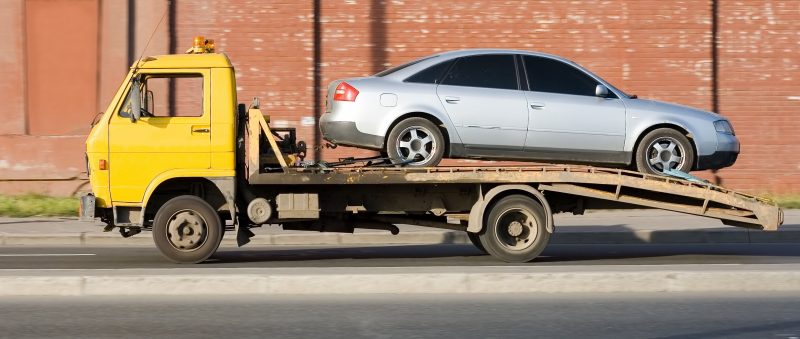
A damaged rear suspension can make a commercial truck unstable, difficult to move, and unsafe to drive under its own power. Depending on the severity of the damage, the truck may require a carefully planned towing method that protects the frame, axles, tires, cargo, and surrounding road users.
For commercial vehicles operating in San Tan, AZ, rear suspension damage can affect more than ride quality. Because work trucks often carry heavy loads, damaged suspension components can change how weight is distributed across the vehicle and complicate both recovery and transport.
What Does the Rear Suspension Do on a Commercial Truck?
The rear suspension supports the weight carried over the rear axle or axles and helps keep the tires in consistent contact with the road.
Depending on the truck, the system may include leaf springs, air springs, shocks, control arms, torque rods, bushings, hangers, equalizers, and other load-supporting components.
These parts work together to maintain vehicle height, axle alignment, and stability while the truck is moving.
When one or more components fail, the rear of the truck may sit unevenly, shift unexpectedly, or place additional stress on other suspension and drivetrain parts.
What Types of Rear Suspension Damage Can Disable a Truck?
Several problems can make a commercial truck unsafe to operate.
A broken leaf spring can reduce load support and cause one side of the truck to sag. Damaged spring hangers or shackles may allow excessive axle movement.
Air suspension systems can also develop ruptured air bags, damaged valves, or air line problems that prevent the truck from maintaining proper ride height.
Bent control arms, broken torque rods, damaged shocks, or displaced suspension mounts can also affect axle positioning.
In more severe cases, an axle may move out of alignment or a tire may contact the frame, body, or another tire. When these conditions are present, continuing to drive can increase the damage.
How Can Suspension Damage Affect Vehicle Stability?
Rear suspension damage can change how the truck responds to steering, braking, and road movement.
If one side of the vehicle sits lower than the other, the load may no longer be distributed evenly. This can place additional pressure on tires, wheel bearings, suspension mounts, or the frame.
An axle that has shifted out of position can also affect how the truck tracks down the road.
For a loaded commercial vehicle, these problems become more significant because the suspension is already supporting additional weight. Even a relatively short drive can place more stress on weakened components.
When Is Towing Safer Than Driving?
Towing is usually the safer option when the rear suspension can no longer support the vehicle correctly or when axle movement is visible.
Warning signs can include severe leaning, unusual tire contact, broken springs, collapsed air suspension, dragging components, or loud mechanical noises from the rear of the truck.
A vehicle should also remain parked if the rear axle appears displaced or the truck cannot maintain normal ride height.
Drivers in San Tan, AZ should avoid assuming that a truck is safe simply because it can still move forward. Suspension damage can worsen quickly when the truck is carrying weight.
Does the Truck’s Load Affect the Towing Method?
Yes. Load weight and placement can significantly affect how the truck should be recovered and transported.
A loaded commercial truck may require different equipment than the same vehicle when empty.
Before arranging Towing, the towing provider should know what the truck is carrying, the approximate vehicle weight, and whether the load has shifted.
Uneven or unstable cargo can make suspension damage more difficult to manage because the truck may already be leaning or placing excessive weight on one axle.
In some cases, cargo may need to be secured, redistributed, or removed before the truck can be moved safely.
When Might Heavy Duty Towing Be Required?
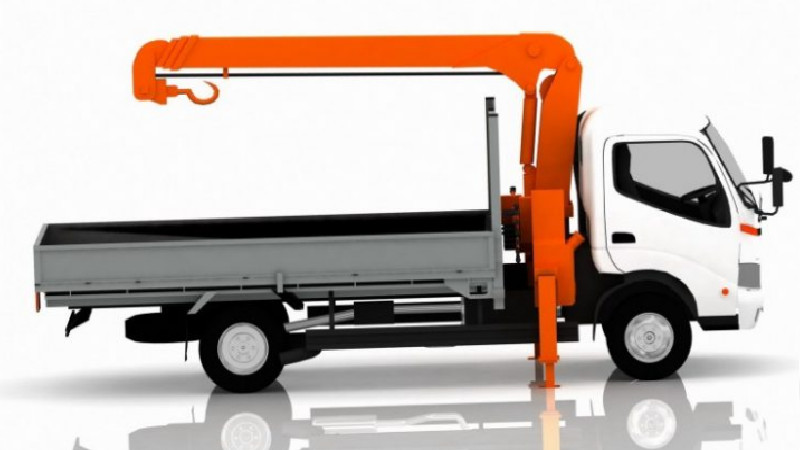
Heavy Duty Towing may be needed when the disabled vehicle is too large or too heavy for standard towing equipment.
Large work trucks, dump trucks, utility vehicles, delivery trucks, and other commercial vehicles may require heavier lifting and recovery capacity.
The towing method may also depend on whether the damaged axle can roll normally.
If suspension damage causes a tire to bind, an axle to shift, or part of the truck to contact the road, additional recovery equipment may be necessary before the vehicle can be lifted or moved.
A Heavy Duty Towing operator must account for both the truck’s total weight and the condition of the damaged suspension.
How Is a Truck With Rear Suspension Damage Prepared for Towing?
Preparation begins with an assessment of the truck’s position and mechanical condition.
The towing operator may inspect the ride height, axle alignment, wheel position, suspension damage, and whether the truck can roll without causing additional damage.
Loose or hanging components may need to be secured before transport.
If the truck is loaded, the operator may also evaluate cargo stability and weight distribution.
The goal is to prevent damaged suspension parts from shifting further while the vehicle is being recovered.
What Information Should Be Given to the Towing Service?
Providing clear information can help the towing company arrive with the right equipment.
Drivers should describe the truck type, approximate weight, cargo, visible suspension damage, and whether the vehicle is leaning.
They should also mention whether any wheels are locked, rubbing, or positioned unusually.
If an air suspension system has collapsed, that should be explained when requesting the Towing Service.
Photos of the damaged area can also help clarify the situation when they can be taken safely.
Can Towing Prevent Additional Suspension Damage?
Towing does not repair the suspension, but it can prevent the truck from being driven while its load-supporting components are compromised.
Continuing to operate the vehicle can place more force on damaged springs, mounts, tires, axles, and frame components.
Moving the truck with an appropriate recovery method allows it to reach a repair facility without depending on the damaged suspension for normal road operation.
When Should a Commercial Truck Be Taken Off the Road?
A commercial truck should be taken out of service when rear suspension damage affects stability, axle position, tire clearance, or load support.
For drivers and fleet operators in San Tan, AZ, parking the vehicle early can help prevent a manageable suspension problem from becoming a larger mechanical or safety issue.
If a commercial truck develops severe rear suspension damage, keep the vehicle stationary, provide accurate information when calling for assistance, and arrange appropriate towing to a repair facility before returning it to service.